Queros-Wachiperi: DAY 3
Today I gave my first photo workshop in Peru. I worked with the 12 students in the Queros-Wachiperi School. The students have one teacher and range in age from 6 to 15. We went out to the river for two hours and learned about photography and the local wildlife using the cameras. This opportunity was made possible by a very generous donor in the United States that purchased 6 Olympus Stylus Tough digital cameras for me to take along to Peru. Below is a short slideshow featuring some images of the kids and a few of the images they took during the workshop!
Queros-Wachiperi: DAY 2

11.08.2010
Today I experienced the Queros Cultural Tourism project. With 6 British and American tourists, I started the day on a medicinal plant walk with Freddy. We learned about cures for ailments ranging from kidney problems to insomnia. We also go to taste and smell a few plants along the way, including one that smelled like massage oil and turned out to be for joint problems. Breakfast was followed by an archery competition with a Queros man dressed in traditional clothing. I almost hit a man with my arrow – about 60 degrees off the mark.
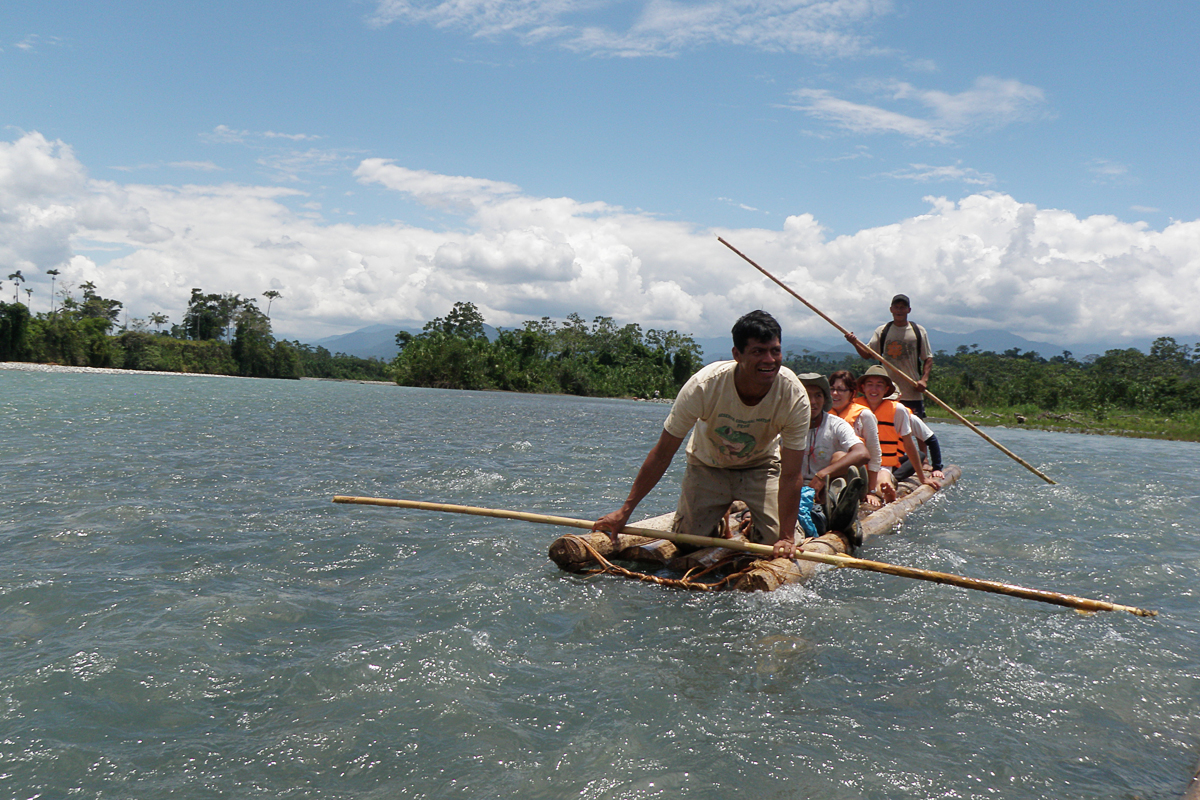
The big activity of the day was balsa rafting Walter insisted that I come, despite my hesitation to ride four logs down an incredibly rocky river. The life jackets finally sold me. Steering the boat were two Queros men – one at the back and one at the front. Their only paddles are long sticks, which they use to push off rocks and the sides of the river. The rafts were impressively buoyant given the six people sitting on each. They were partially submerged for the entire ride, but always afloat. We flipped in a set of rapids and I was disoriented for a few minutes after being swept under the raft, but all was well. Along the way we spotted a giant otter and a porcupine with yellow spines and a prehensile tail. We made one stop to see a very large rock with petroglyphs. They were surprisingly vivid and I learned that the History Channel had visited and painted them white for a show. About two hours after setting off, we arrived unscathed at the port downriver and I was happy that I’d come along.
The tourists ventured back to Pilcopata and I climbed onto the back of a motorcyle for a ride back to the community. I arrived to find an open bed in the tourist casa and moved into more comfortable accommodations. Now, I am going to sleep to be ready for my photo workshop with the school children in the morning!

Balsa Rafts on the Queros River
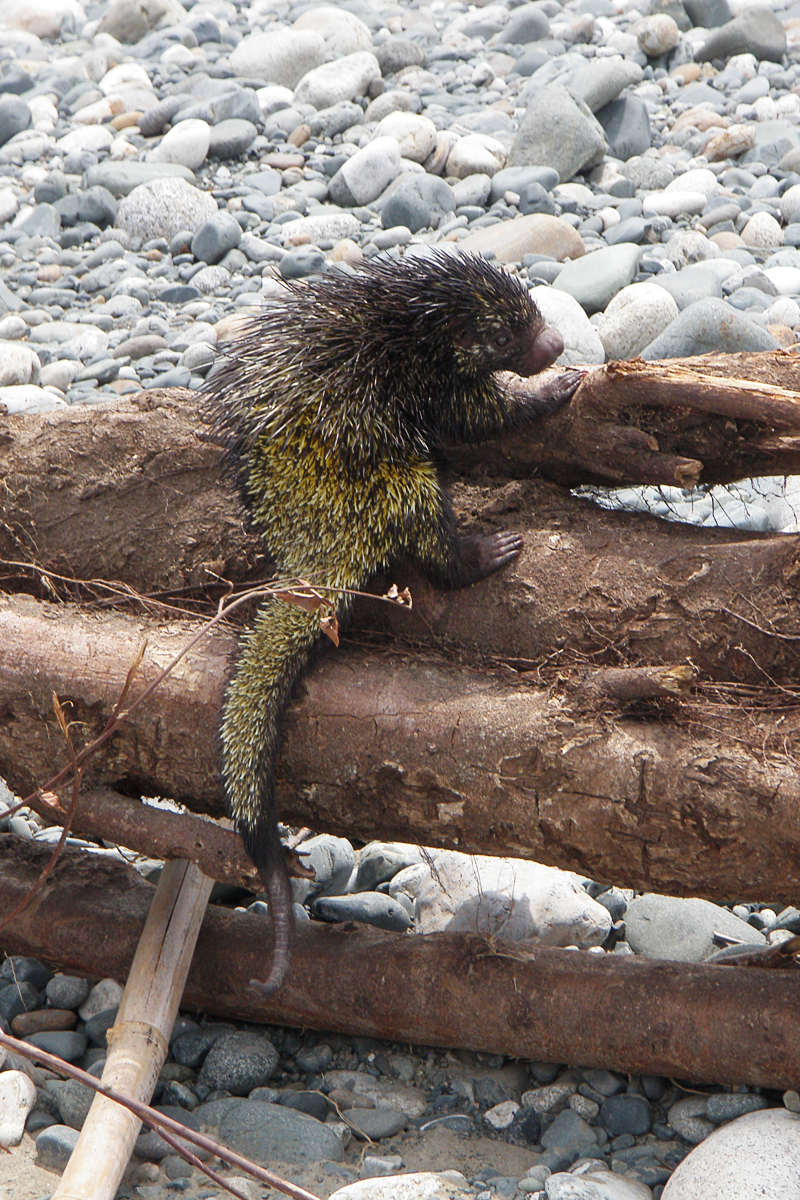
Porcupine
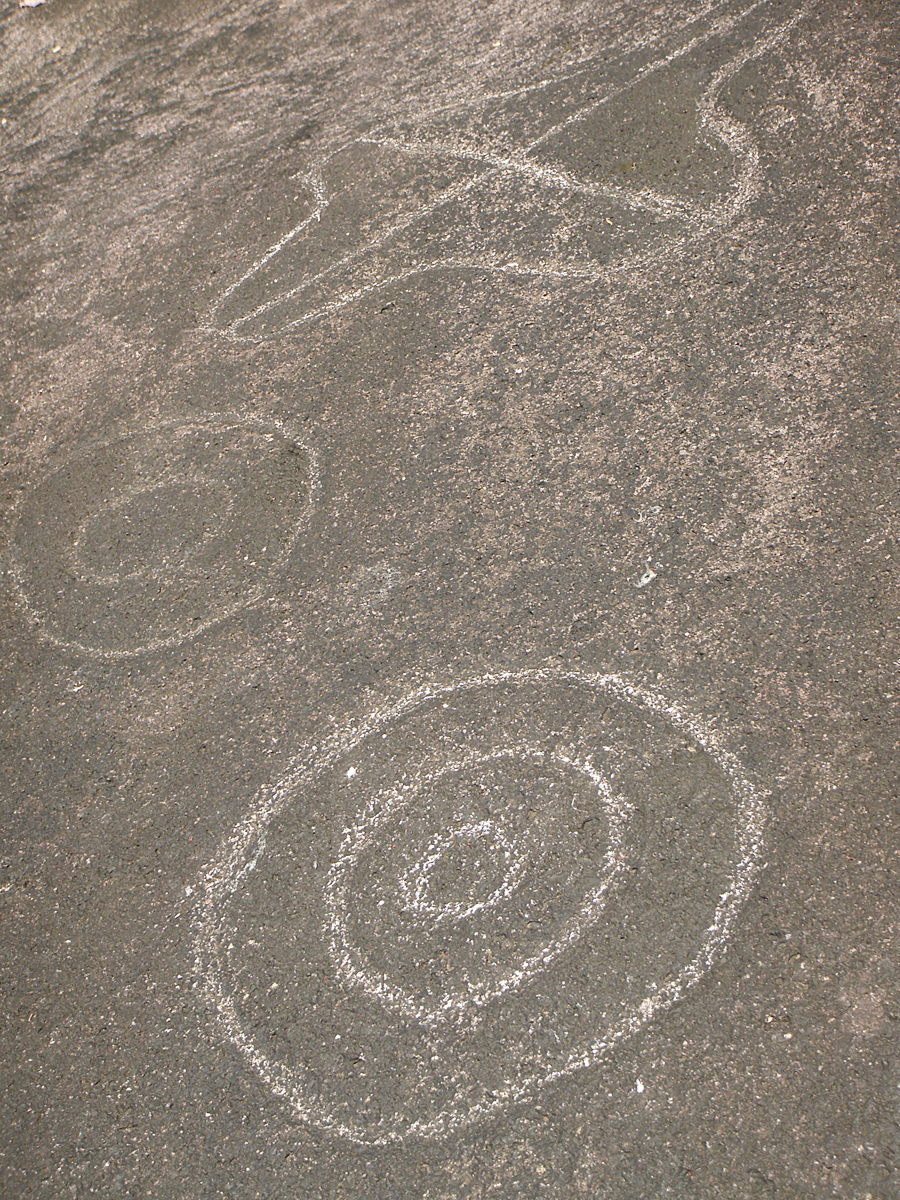
Petroglyphs
Adventures with the Queros-Wachiperi: DAY 1
11.07.2010
Today is the first day of my weeklong visit to the Queros-Wachiperi. The Queros-Wachiperi are a very small indigenous group near Pilcopata, Peru. By small I mean less than 40 members. While their culture was close to perishing at the turn of the century, they have an incredible story of recovery. In 2008, through the efforts of community leaders, they became the first indigenous group in the world to be granted a conservation concession. They are now the stewards of a 7000-hectare plot of pre-montane rainforest. The Peruvian government has granted them the title for 40 years, with hope of renewal at the end of that term.
In addition to the conservation concession, they have also developed cultural tourism. In the past year they have brought 9 groups to the community. I am staying in the community for the next two days to document the experience of a tourist group that is visiting for one night.
So, this morning I met Walter, one of the community leaders, for the start of our journey. We loaded my gear onto his motorcycle and set off. About 20 minutes later, the police stopped us for a license check. Walter doesn’t have a license, so we had to find other means of transportation.
We finally found the tourist group after hitching a ride in a van and began the 2-hour hike to the community. The heat was sweltering and we moved rapidly until we arrived at the road’s only destination – a community consisting of 6 small houses made out of wood, a beautiful tourist casa, and two soccer goals without nets. We were greeted with a lunch of fish cooked in palm leaves.
The afternoon was spent ‘experiencing’ community life. We went swimming in the river after assurances that it is not home to freshwater stingrays, piranhas, or electric eels. Afterwards, we joined two women in making handicrafts – baskets and jewelry. I bought a beautiful necklace made of local seeds for S/5.00 ($2.50). Dinner was roasted heart of palm and yucca – a delicious meal.
I have now retired to my tent for a little peace before I venture out to watch Freddy, my former field assistant, make a fire with two pieces of wood. We are going to have story time around the fire. I am amazed by the strength of this little community – pulling together this experience and finding a way to keep their culture alive. Tomorrow will bring balsa rafting and a morning medicinal plant walk. I’m curious to see what else they have planned.
Oddly enough, there are two students from an American study abroad program that are sharing the schoolhouse with me. They are here to study the language and history of the Queros-Wachiperi for their independent study projects. Even in the middle of nowhere, I encounter pieces of home.
Moths and Butterflies of Villa Carmen
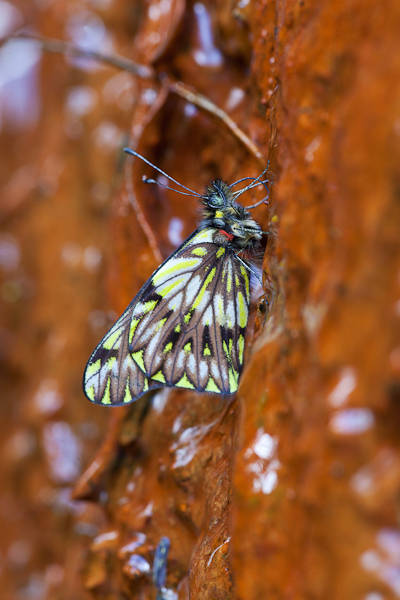
Butterfly feeding on minerals in a waterfall (around 2000 meters elevation)
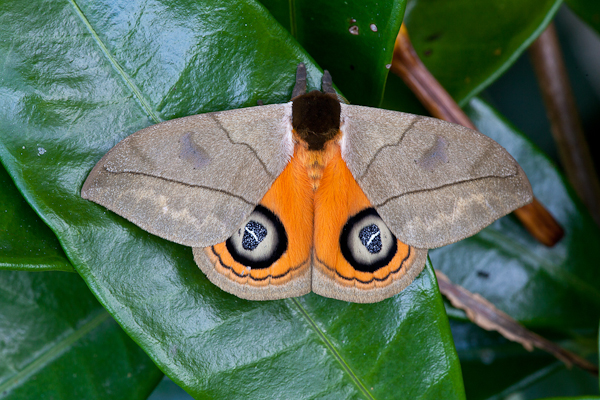
Saturniiad Moth of the Genus: Automeris

Butterfly laying egg on flower
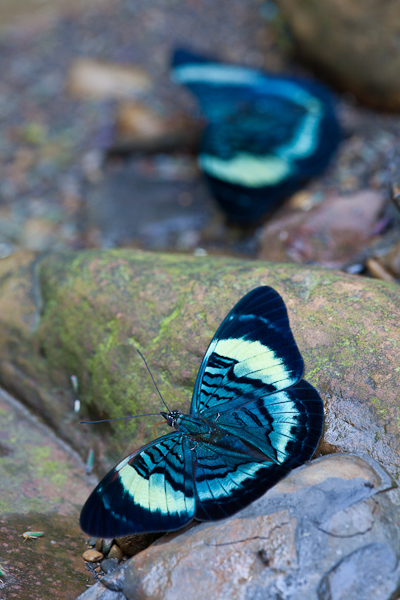
Butterflies

Moth (unidentified for the moment)
Amazing Caterpillars
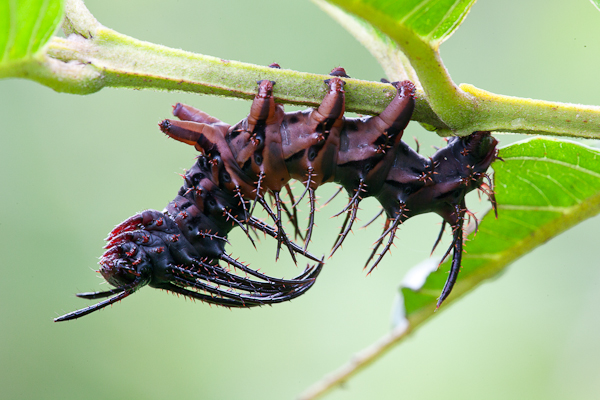
The Darth Vader of Caterpillars (quote by Adrian Forsyth)
I have just returned from Pilcopata and visits to the Villa Carmen Biological Reserve and the Queros-Wachiperi Conservation Concession. What an incredible journey it has been. There were landslides before I arrived and they actually rerouted an entire river, shutting down the hydroelectric dam and all electricity for the town. Now I return with 80 gigabytes of images and a lot to share! For now, incredibly cool caterpillars.
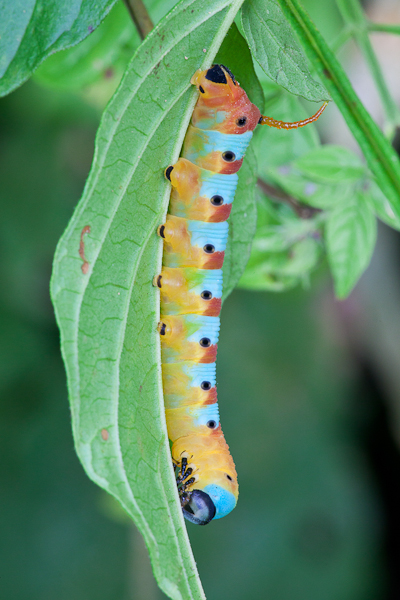
The Most Incredibly Colored Caterpillar
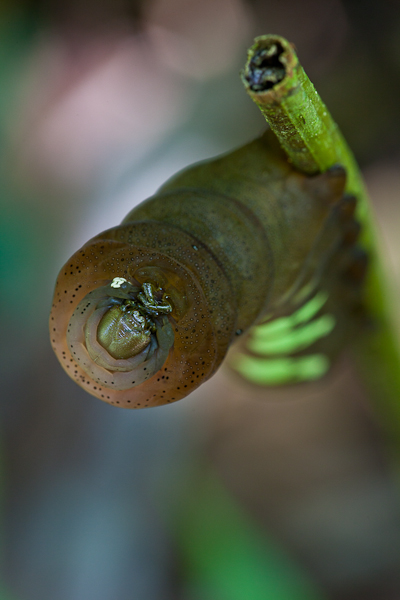
The Biggest Caterpillar

Swallowtail Caterpillar at Villa Carmen Biological Reserve
Slideshow: Orchids!
Music for the video is by Sayanka Inka.
A few birds from Wayqecha
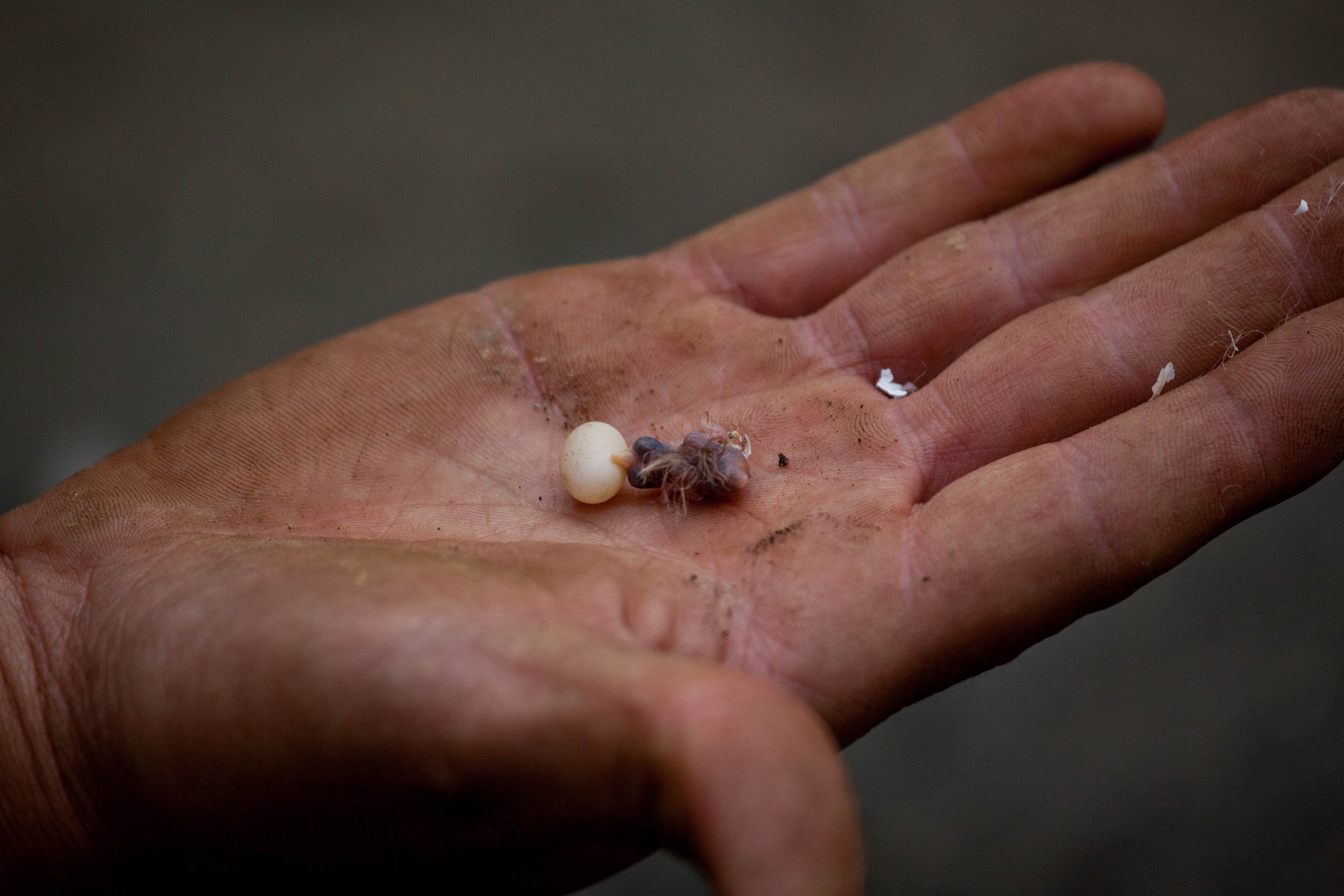
Baby hummingbird and egg
This baby hummingbird is in the hand of a doctoral student studying reproductive investment in birds across an elevational gradient. Don’t worry about the baby – contrary to popular belief, touching baby birds does not scare away the parents or cause them to abandon the nest.
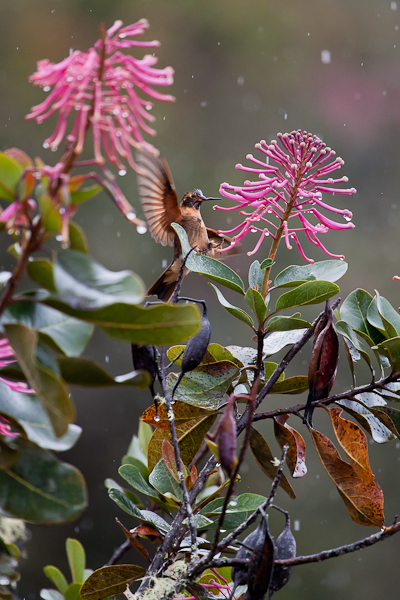
Hummingbird in rain

Great Thrush

Female Swallow-tailed Nightjar
Chris Trisos – Bird Researcher – Adventurer
I produced this video for Chris Trisos, a bird researcher from Oxford University that has been working at Wayqecha for four months. Check it out!
Moths of Wayqecha

- Sphingidae
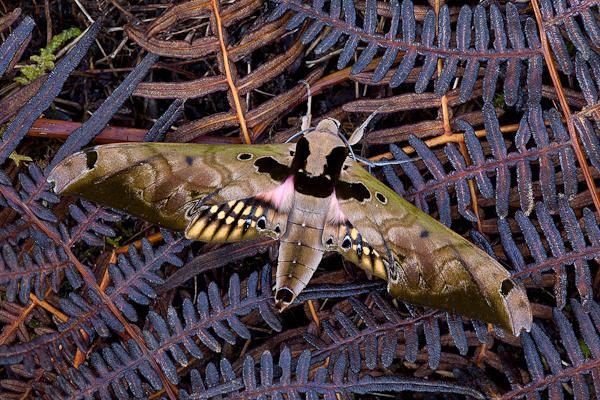

- Moth

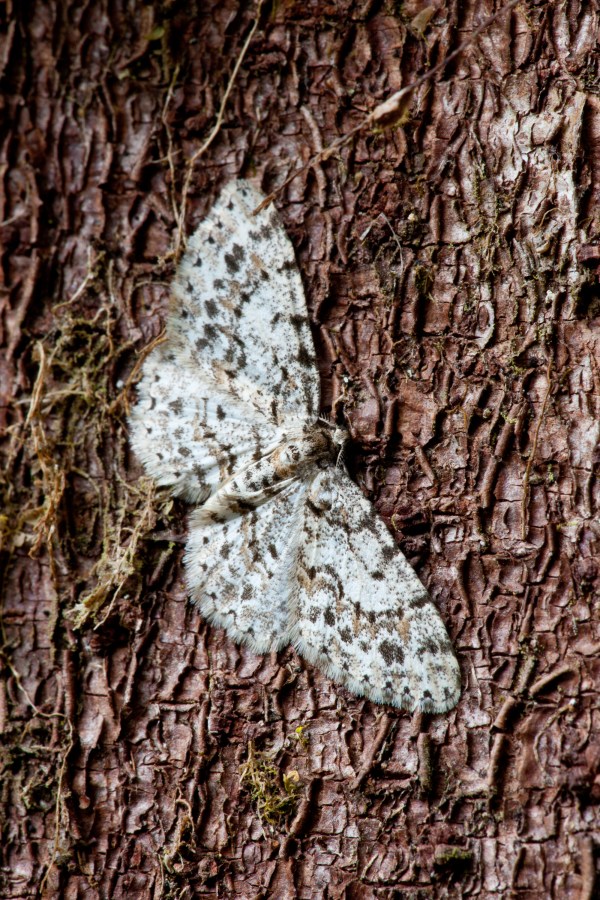
- Moth


- Moth

Just a few images of the many moth species I found at Wayqecha. These were the ones that cooperated!
Machu Picchu (Gabby)
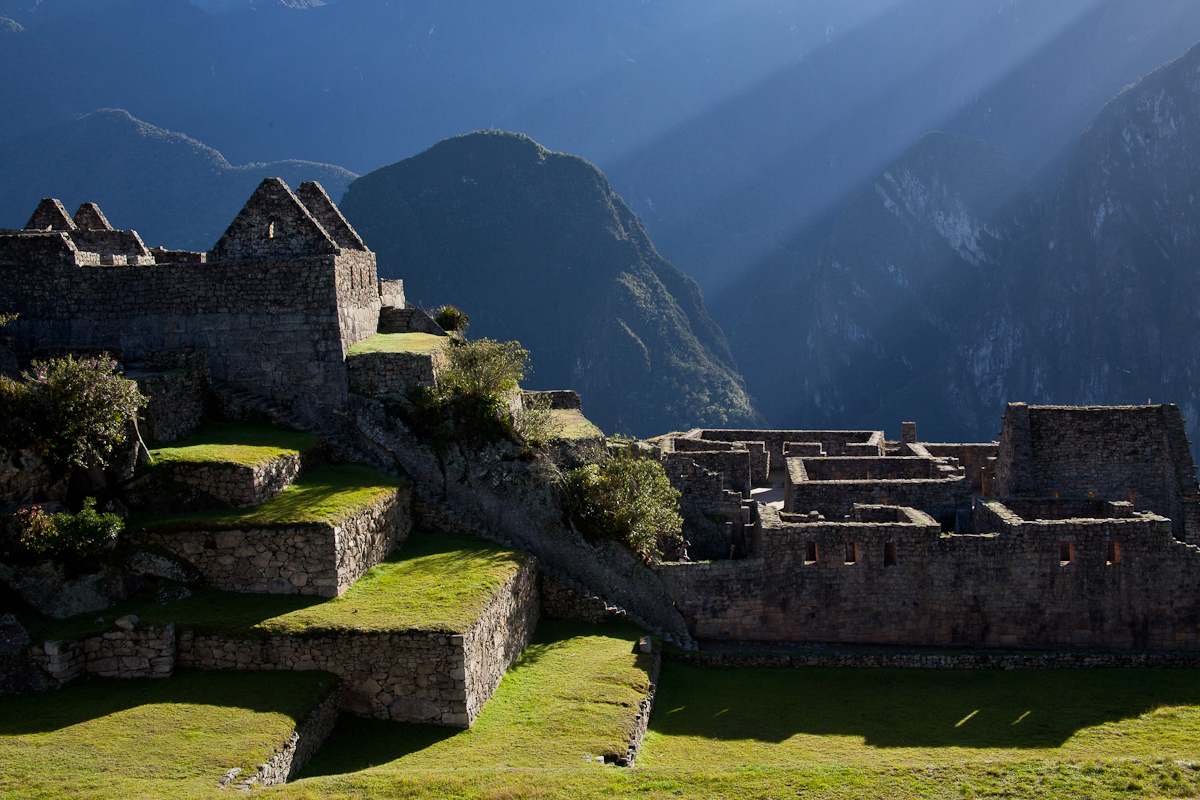
First Rays on Machu Picchu
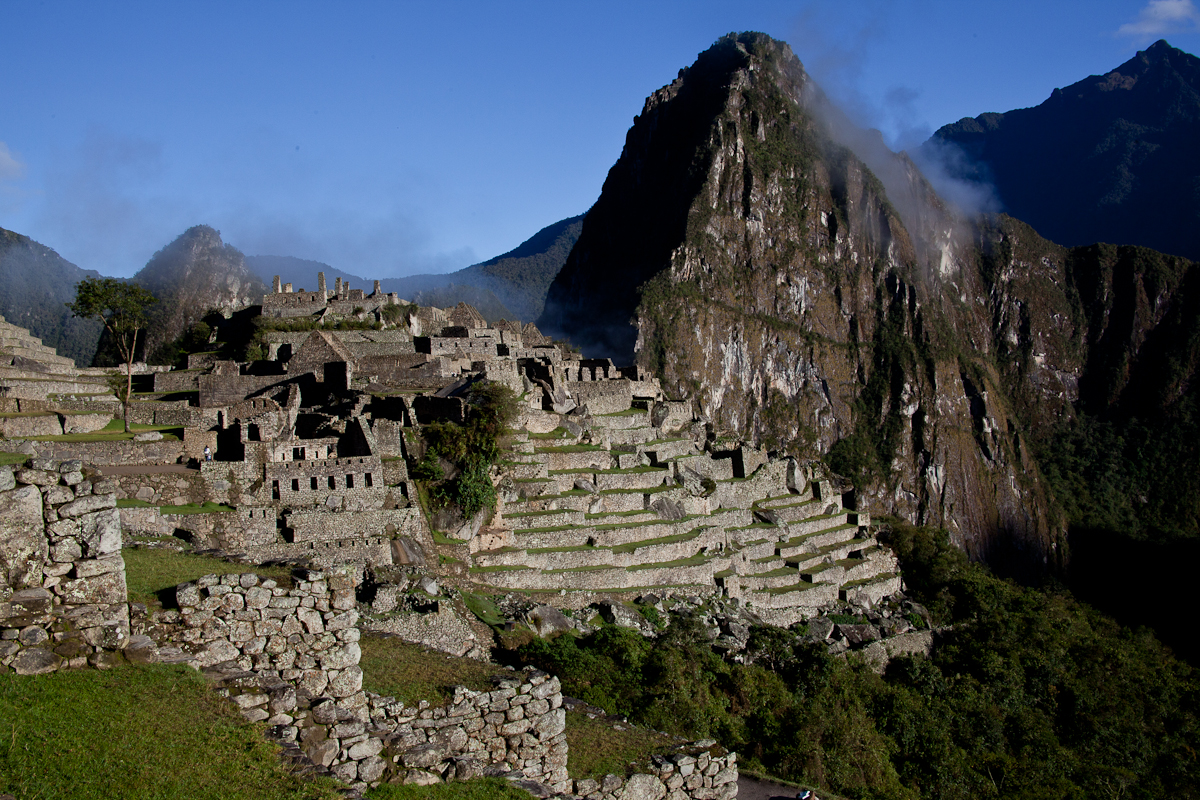
Machu Picchu

Alpaca in front of Machu Picchu
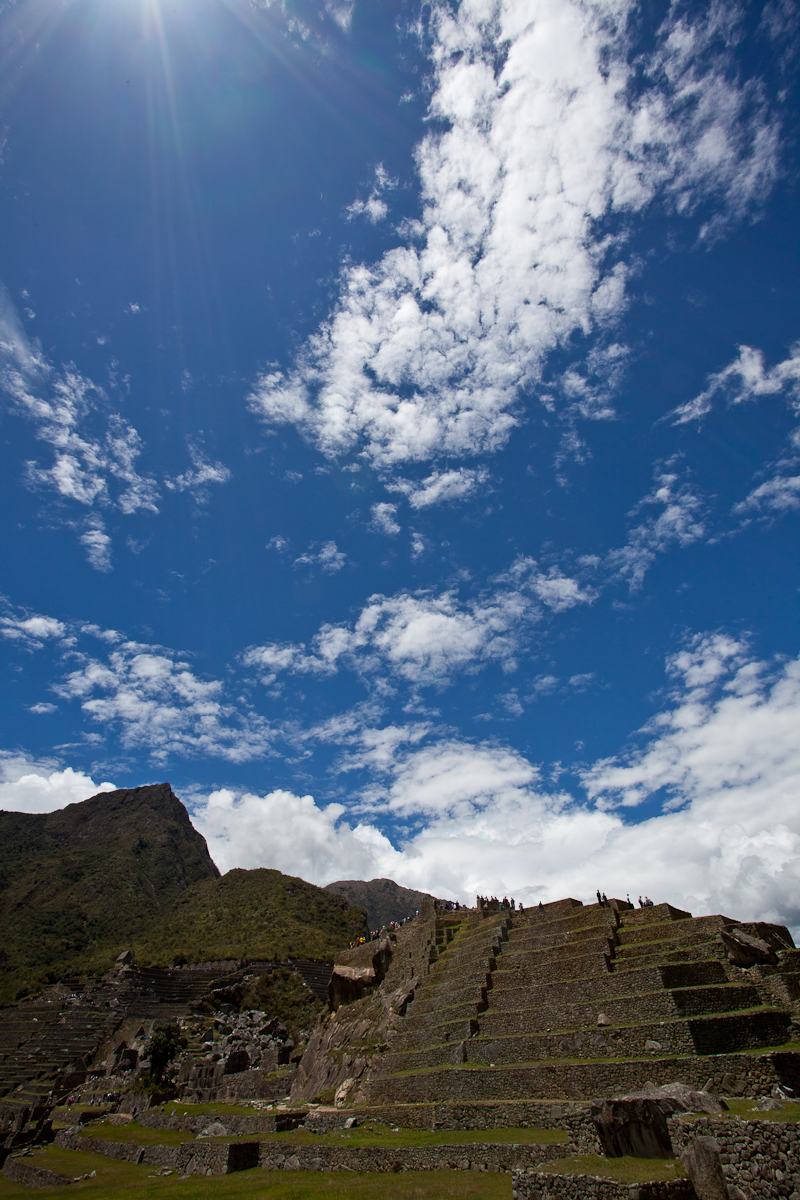
Machu Picchu
Even if you’ve never been to Peru, you’ve probably heard of Machu Picchu. It was rediscovered by Hiram Bingham, an American explorer, in 1911. His journal of discovery is recounted in his book “Lost City of the Incas,” which I would highly recommend as both a historical guide and amusing personal history. Machu Picchu is a few hours outside of Cusco by train and is next to the town Aguas Calientes – a town that I belive has only sprung up as a result of tourism.
My good friend and colleague Bill Campbell is currently visiting me in Peru, so I decided to make the trek out to Machu Picchu again. We took the IncaRail train out to Aguas Calientes for a stay of two nights. Despite the fact that Machu Picchu is the only attraction, it is necessary to stay overnight to get the fully experience by hiking Wayna Picchu. Wayna Picchu is a peak adjacent to Machu Picchu that gives you the full view from a few hundred meters above the ancient city. Wayna Picchu is also home to a few ruins and causes one to marvel at the sheer physical strength of the Incas in carrying rocks straight up a mountain for a good 1000 feet. In any case, only 400 people per day get to climb Wayna Picchu because of the small stone staircase that leads to the top. In order to be one of the lucky few, you have to get up at around 3:30am and stand at the bus stop until the first bus departs at 5:30am. I heard more than one Peruvian mutter “crazy gringos” under their breath as they sold us overpriced coffee.
The long wait and early hours are certainly worthwhile because climbing off the first or second bus gets you sweet light and views of the ruins without hoardes of tourists. After taking some of the shots below, we hiked Wayna Picchu at 7am and huffed and puffed our way up the 100 flight staircase until we reached the top. Sitting on the ancient ruins at the top gives you an almost 360 degree view of the surrounding peaks. It made me think that spending a whole life tucked away in the remote mountains wouldn’t be that bad.
 Road to Amazonia